Education to Improve the World
A central idea guides Reimers’s work: education should enable people not only to understand the world, but also to improve it.
This requires more than the transmission of academic knowledge. Students need opportunities to develop ethical judgment, civic responsibility, creativity, collaboration, and the capacity to act in the face of complex problems. Schools and universities must help learners understand the growing interdependence of societies and recognize their responsibilities to others, including those whose experiences and perspectives differ from their own.
These educational purposes must be connected to practice. Reimers’s research therefore examines how ambitious goals can be translated into curriculum, pedagogy, teacher development, school leadership, public policy, and institutional change.
Areas of Work
Global Education and Citizenship
Reimers has written extensively about how education can prepare students to understand global interdependence and engage constructively with people from different cultural, national, and ideological backgrounds. His work on global citizenship education focuses on developing knowledge, dispositions, and competencies that enable students to contribute to the common good.
Democracy and Civic Education
A longstanding concern in his scholarship is the relationship between education and democracy. He studies how schools and universities can develop civic knowledge, ethical judgment, democratic values, and the capacity to participate effectively in public life. This work reflects the conviction that democratic institutions depend on citizens who can reason together, respect differences, and take responsibility for their communities.
Education and Climate Change
Reimers’s recent work examines how climate change is already transforming the conditions of teaching and learning. He studies how education systems can respond to climate-related disruption while also preparing students to contribute to adaptation, mitigation, resilience, and social transformation.
This work emphasizes that climate change should not be treated only as a topic within science courses. It has implications for curriculum, school operations, teacher preparation, educational leadership, public policy, and the purposes of education itself.
Artificial Intelligence and Education
Reimers also studies how artificial intelligence is changing education. His work considers how AI may transform teaching, learning, assessment, educational institutions, and the competencies students need.
He approaches AI as both an opportunity and a challenge. Educational institutions must learn to use emerging technologies responsibly while addressing questions of equity, ethics, human agency, and the changing relationship between knowledge and work.
Educational Change and Leadership
Across his research, Reimers examines how education systems move from aspiration to implementation. Educational improvement requires alignment among goals, curriculum, teaching, assessment, professional learning, leadership, and policy.
He is particularly interested in how leaders can create the conditions that allow educators to learn, collaborate, experiment, and sustain improvement over time. His work emphasizes that lasting change is not produced by isolated innovations but by coherent strategies that strengthen the capacity of institutions and the people within them.
Teacher Development
Teachers are central to educational change. Reimers’s work explores how teachers can develop the knowledge, judgment, and professional agency needed to respond to changing social conditions and student needs.
He views educators not simply as implementers of policy, but as professionals capable of inquiry, reflection, collaboration, and innovation. Effective reform therefore depends on meaningful opportunities for teachers and school leaders to learn throughout their careers.
Scholarship in Service of Practice
Reimers’s books, research, curricula, and teaching materials are intended for both academic and practitioner audiences. He collaborates with educators, policymakers, universities, foundations, international organizations, and civil-society leaders in many parts of the world.
Much of his work is comparative and international. By examining how different societies address common educational challenges, he seeks to identify ideas that can travel across contexts while remaining attentive to history, culture, institutions, and local knowledge.
Through the Global Education Innovation Initiative, he has worked with colleagues around the world to study educational change and develop practical resources for teachers and education leaders. His scholarship frequently brings together researchers and practitioners to create knowledge that is both intellectually rigorous and useful in practice.
Teaching
Reimers’s approach to teaching connects theory with real educational challenges. His students examine education systems comparatively, engage with policymakers and institutional leaders, and work collaboratively on problems faced by schools, governments, and international organizations.
He encourages students to see education policy as both an analytical and an ethical endeavor. Effective policy requires evidence and technical knowledge, but it also requires clarity about values, purposes, responsibilities, and the people whose lives will be affected.
Many of his courses ask students to produce work for real clients or public audiences. This approach treats students as contributors to knowledge and practice and helps them develop the judgment necessary to lead educational change.
International Engagement
Reimers is a member of the U.S. National Academy of Education and the Council on Foreign Relations. He is a Fellow and elected president of the International Academy of Education.
He was a member of UNESCO’s Commission on the Futures of Education, which produced Reimagining Our Futures Together: A New Social Contract for Education. He has advised governments, universities, foundations, and international organizations on education policy, educational innovation, teacher development, global citizenship, and institutional reform.
Continuing Purpose
Across these different areas, Reimers’s work is guided by a consistent question:
How can education help individuals and institutions respond constructively to the defining challenges of their time?
His scholarship, teaching, and international collaborations seek to connect ambitious educational purposes with the practical knowledge required to realize them.
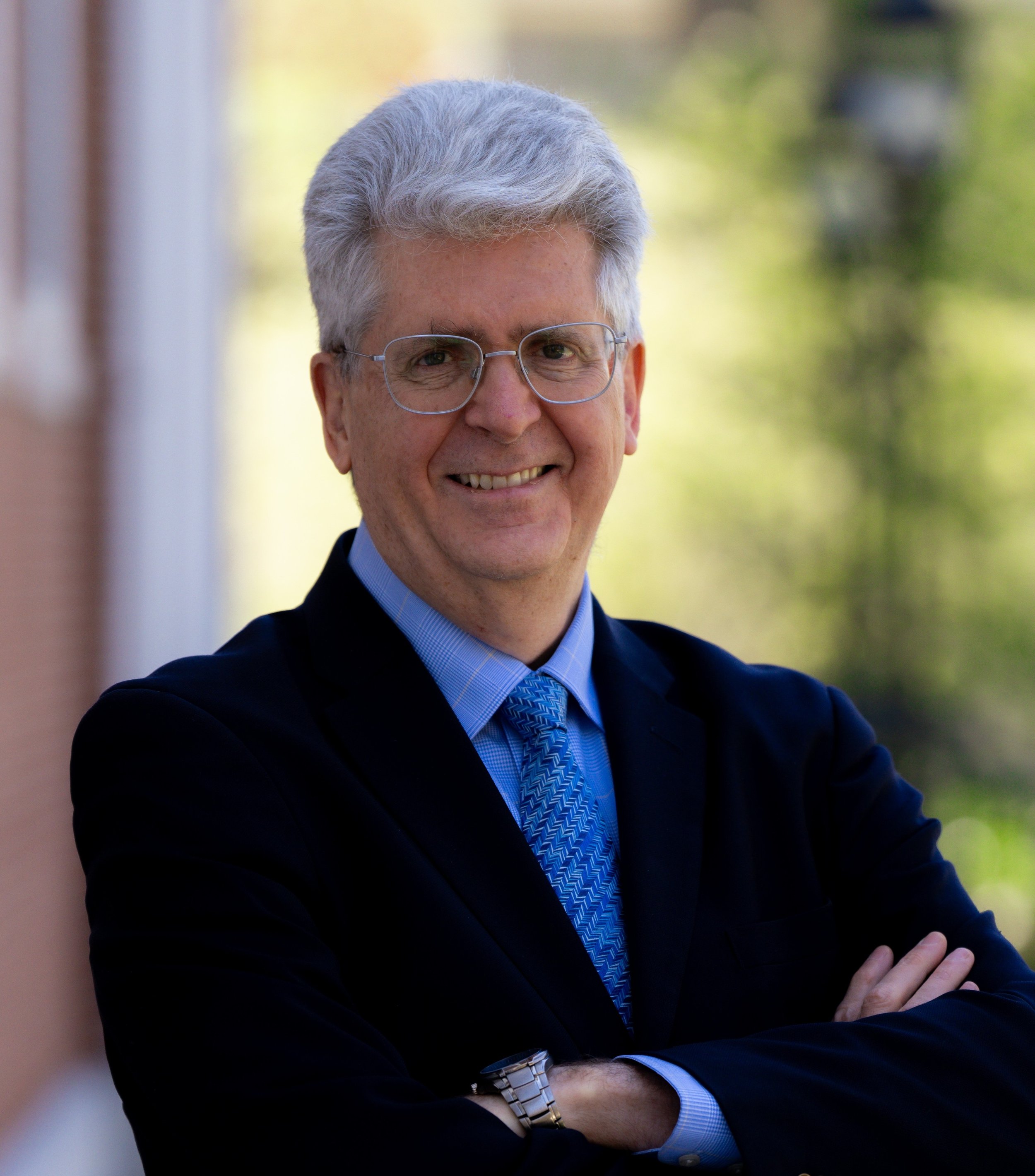
Fernando M. Reimers is a scholar, educator, and author whose work examines how education can help people build more just, democratic, peaceful, and sustainable societies. Throughout his career, he has studied how schools, universities, teachers, and education systems can prepare students to understand a changing world, collaborate across differences, and contribute meaningfully to their communities.
He is the Ford Foundation Professor of the Practice of International Education at the Harvard Graduate School of Education. He directs the Global Education Innovation Initiative and teaches courses on education policy, educational innovation, global citizenship, and the relationship between education and consequential global challenges.