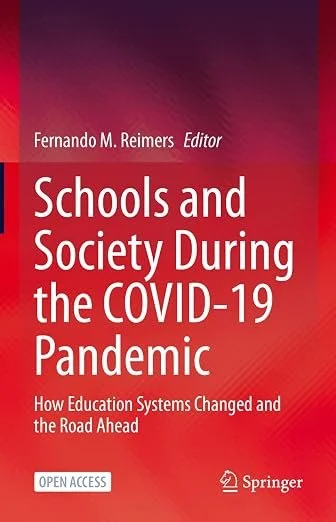
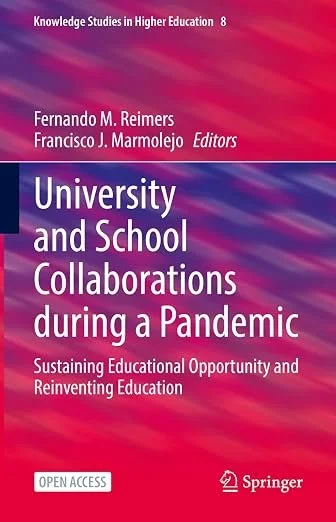
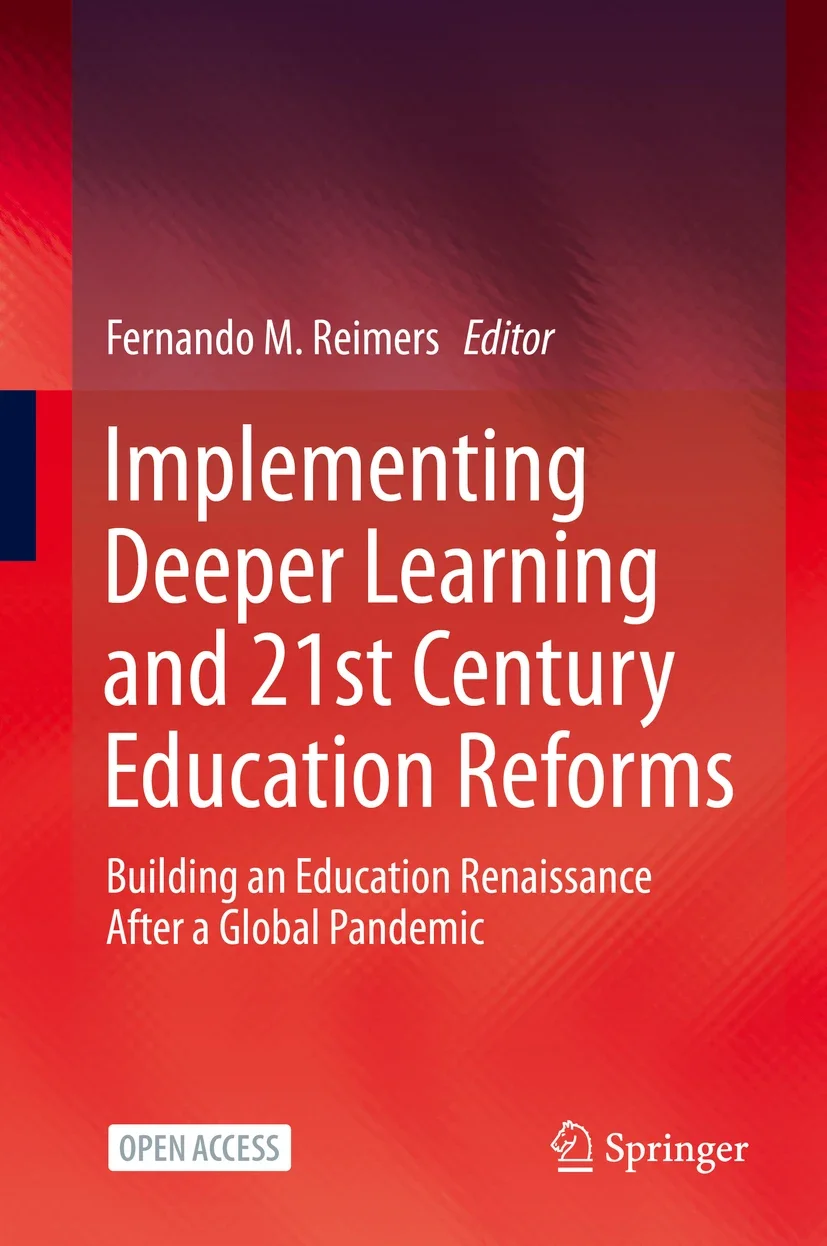
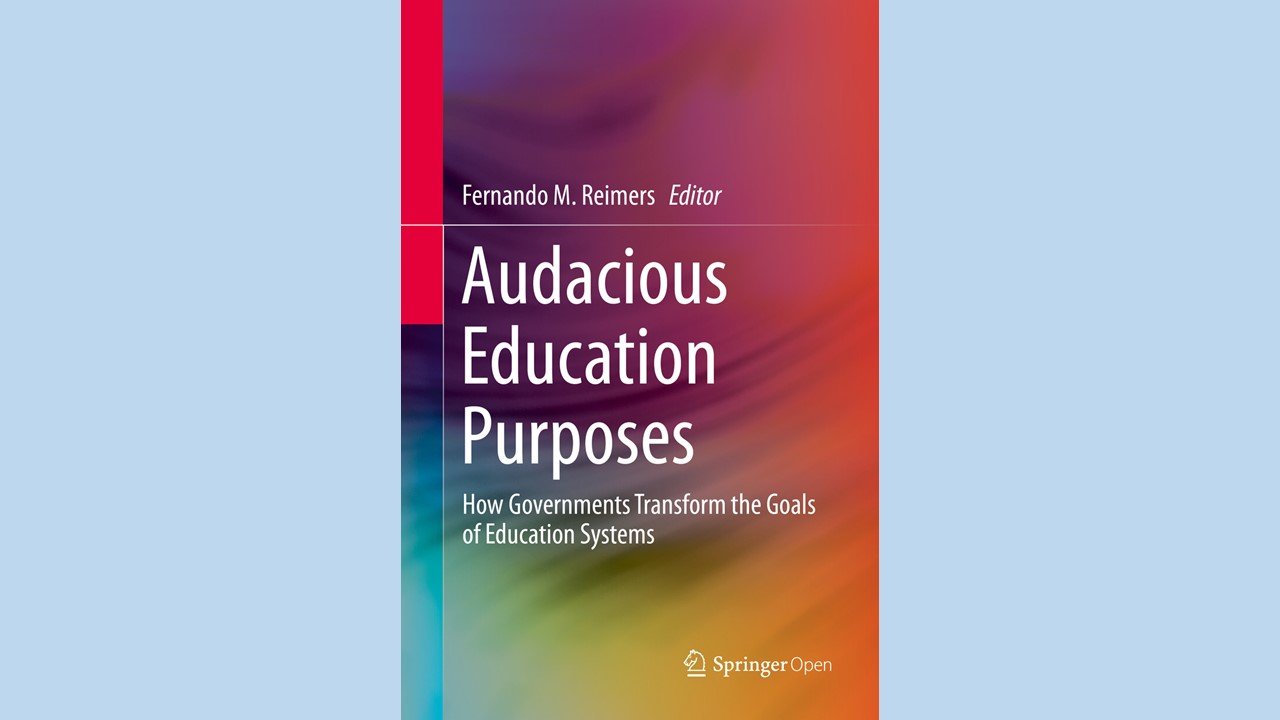
Global Education Innovation Initiative
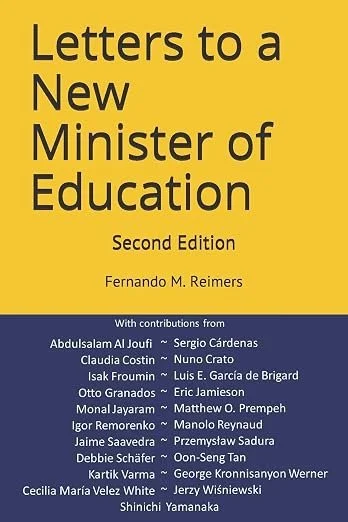
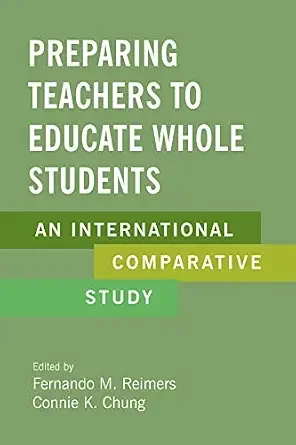
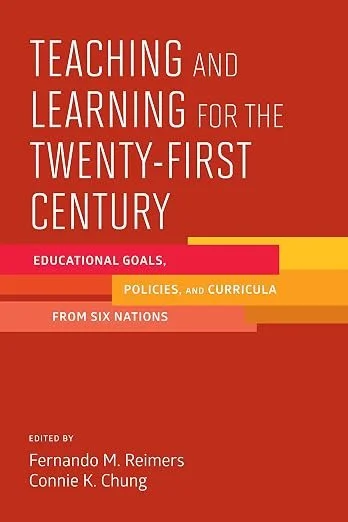
The Global Education Innovation Initiative at the Harvard Graduate School of Education is an international research, policy, and practice collaborative directed by Fernando Reimers. It examines how schools and education systems can provide all students—including those who have historically been marginalized—with relevant, powerful, and effective opportunities to learn.
The initiative is guided by a central question:
What does it take to lead schools and education systems so that students develop the knowledge, capacities, and ethical commitments they need to thrive and contribute in a changing world?
Answering this question requires looking beyond access to schooling or mastery of traditional academic subjects. Students also need opportunities to develop civic and global understanding, creativity, collaboration, ethical judgment, leadership, and the capacity to use knowledge responsibly in addressing consequential problems.
Current Focus: Education and Climate Change
The initiative’s current work focuses on the two-way relationship between climate change and education.
Climate change is already affecting students, teachers, schools, and education systems through extreme heat, floods, storms, displacement, deteriorating health, damaged infrastructure, and interruptions to learning. At the same time, education can help individuals and communities understand climate change, adapt to its consequences, strengthen resilience, and contribute to mitigation and more sustainable forms of development.
In 2026, Reimers launched a collaborative research effort with colleagues in twenty-three countries to study this relationship through national case studies: Argentina, Bangladesh, Brazil, Cambodia, Chile, China, Colombia, Finland, Germany, Ghana, Iceland, India, Indonesia, Japan, Korea, Malaysia, Mexico, Morocco, Pakistan, the Philippines, Spain, Thailand, and Uruguay.
The studies examine how climate change is affecting educational opportunity and institutional functioning, as well as how education systems are responding through policy, curriculum, teaching, teacher preparation, school leadership, infrastructure, and partnerships with communities and other institutions.
This comparative work seeks to identify both common patterns and important differences among countries. It asks how national context, political institutions, economic resources, geography, culture, and professional capacity influence the ways education systems understand and respond to climate change. It also examines the distance between policy aspirations and what students and teachers experience in schools and classrooms.
The collaboration is generating a series of national case studies and journal articles. Several articles are at various stages in the publication process, and five additional case studies are currently being prepared for publication. Together, these studies are intended to strengthen the evidence available to educators, policymakers, researchers, and institutional leaders seeking to develop climate-ready education systems.
Research, Education, and Collaboration
The Global Education Innovation Initiative advances its mission through three interconnected forms of work.
Research. Working with partners in different countries, the initiative studies policies, programs, and educational practices designed to respond to emerging global challenges and develop the competencies students need. Comparative research makes it possible to understand how different societies define educational priorities, how reforms are implemented, and what conditions support meaningful change at scale.
Education. The initiative develops publications, conceptual frameworks, curricula, professional-learning resources, and other tools to help education leaders and practitioners improve teaching and learning. Its work seeks to make research useful to those responsible for designing policy, leading institutions, preparing educators, and teaching students.
Collaboration. The initiative brings together researchers, educators, policymakers, and institutional leaders from around the world. These partnerships create opportunities for participants to learn across national boundaries, connect global knowledge with local expertise, and develop new research grounded in the realities of educational practice.
Learning Across Countries
A central premise of the initiative is that education systems can learn from one another without assuming that policies or practices can simply be copied from one setting to another.
Comparative study broadens the range of possibilities available to educators and policymakers. It also encourages them to ask why an initiative works, for whom, under what conditions, and how it would need to be adapted to a different cultural, political, or institutional context.
The initiative therefore treats educators and education leaders not merely as recipients of research, but as partners in producing the knowledge necessary to improve education.
From Aspiration to Systemic Change
The work of the Global Education Innovation Initiative reflects a central theme in Fernando Reimers’s scholarship: ambitious educational purposes must be connected to practical strategies for institutional change.
Responding effectively to climate change—or to any complex global challenge—requires more than adding a new topic to the curriculum. It requires coherence among educational goals, curriculum, pedagogy, assessment, teacher preparation, professional development, school leadership, infrastructure, governance, and community partnerships.
By connecting comparative research, practical resources, leadership development, and international collaboration, the initiative seeks to help education systems move from aspiration to implementation—and to prepare students not only to understand a changing world, but also to contribute to improving it.