Teaching
Fernando Reimers’s teaching is guided by the conviction that education should help students understand the world, exercise sound judgment, and develop the capacity to improve the institutions and communities in which they live.
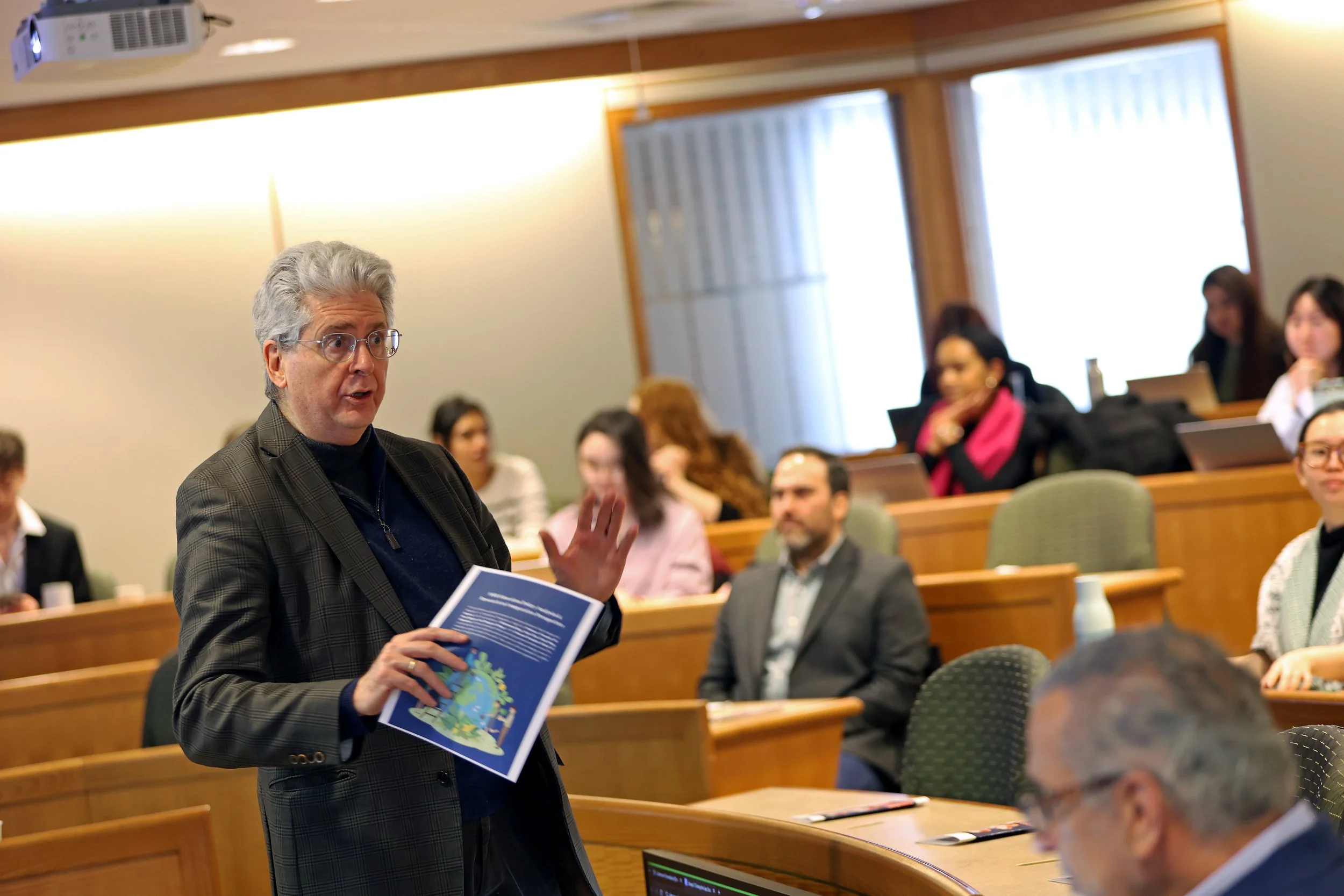
At the Harvard Graduate School of Education, he teaches graduate students preparing to work as educators, researchers, policymakers, and institutional leaders around the world. His courses examine education policy, comparative education, educational innovation, global citizenship, leadership, professional ethics, and the ways education systems can respond to challenges such as climate change, democratic erosion, inequality, and artificial intelligence.
Connecting Ideas with Practice
Reimers’s courses connect scholarship with consequential problems of educational practice. Students engage with theory and research, compare educational systems, analyze policy choices, and examine how reforms are shaped by history, politics, culture, institutional capacity, and professional practice.
A recurring emphasis is the distance between adopting an ambitious educational goal and realizing it in classrooms and institutions. Students therefore study not only what education systems should seek to accomplish, but also how curriculum, assessment, teacher development, leadership, governance, and implementation must work together to make meaningful change possible.
Learning Through Real Problems
Many of Reimers’s courses are organized around authentic educational challenges. Students frequently work in teams with governments, international organizations, schools, universities, and civil-society institutions. They define problems, review evidence, conduct comparative research, develop policy or program recommendations, and present their conclusions to professional audiences.
This approach allows students to apply academic knowledge while learning to work with clients, colleagues, and communities whose perspectives and responsibilities may differ from their own. It also requires them to communicate complex ideas clearly and to design recommendations that are analytically sound, ethically responsible, and feasible in practice.
Comparative and Global Perspectives
Comparative analysis is central to Reimers’s teaching. Students examine how different societies define educational purposes and respond to common challenges, while recognizing that policies cannot simply be transferred from one setting to another.
Comparative study expands the range of possibilities students can imagine. At the same time, it teaches them to ask why an initiative works, for whom, under what conditions, and how it would need to be adapted to a different cultural, political, or institutional context.
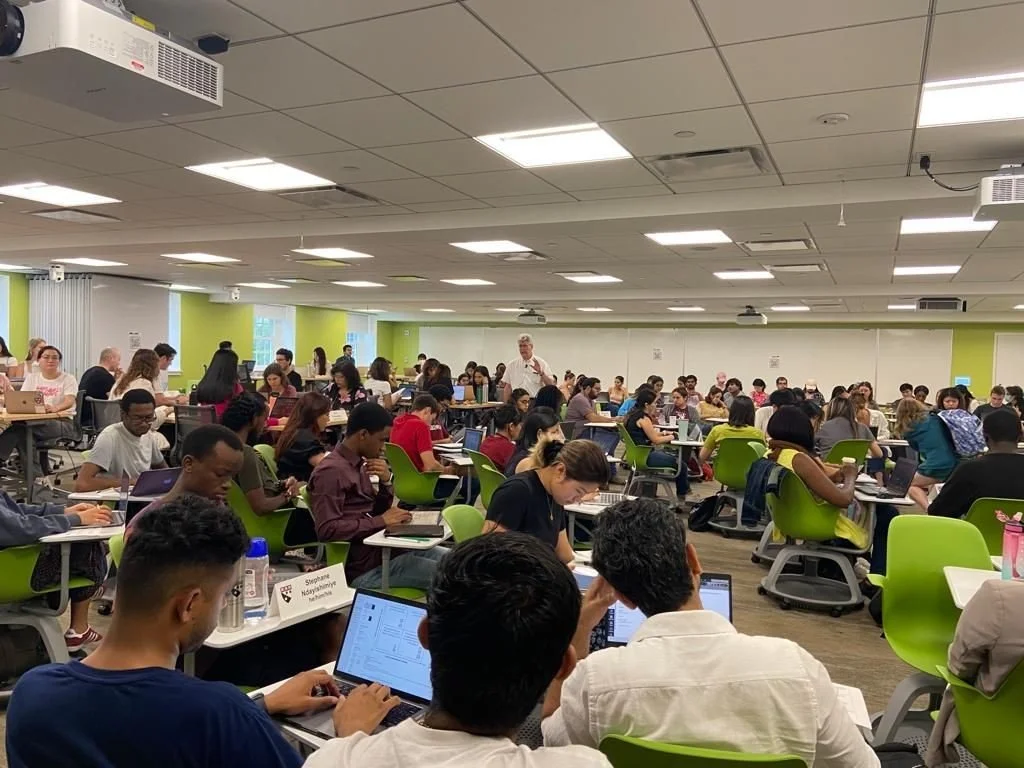
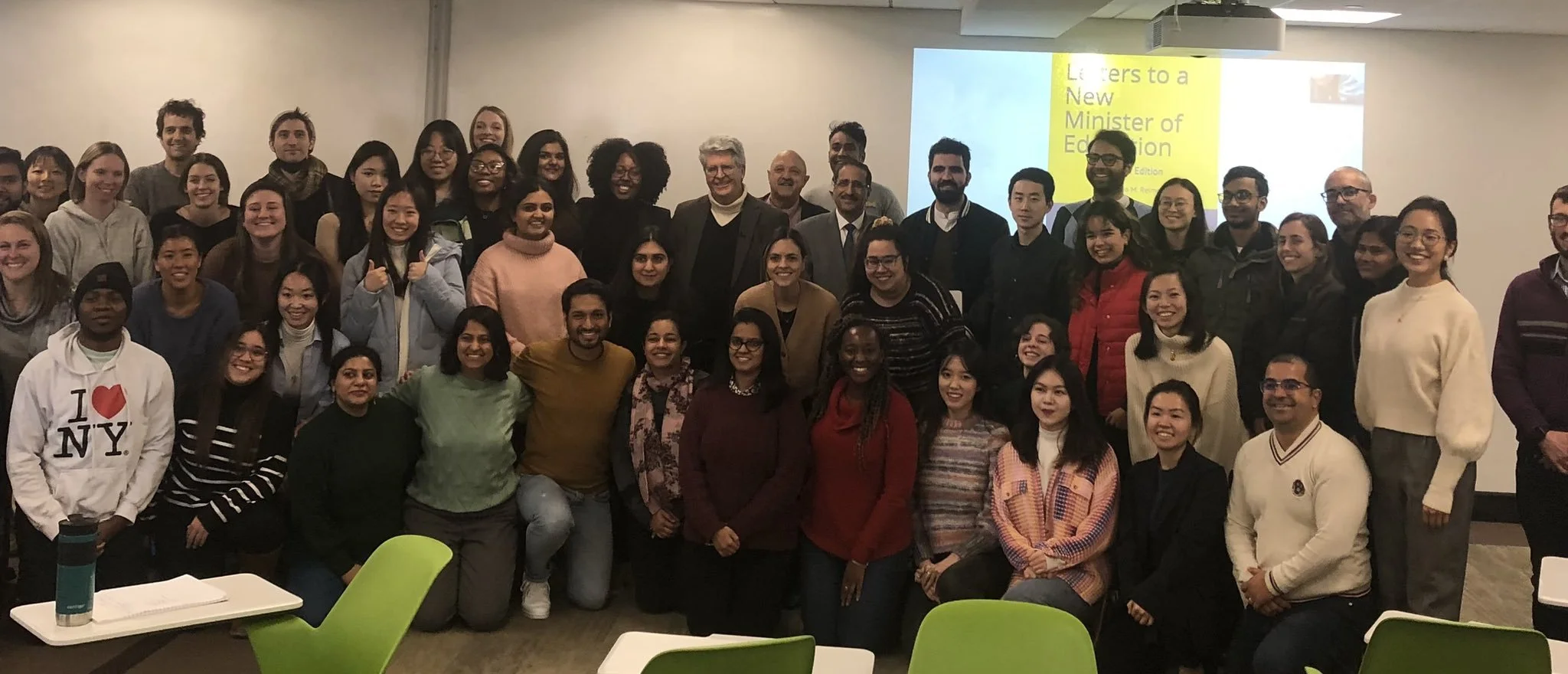
The international diversity of the classroom is itself an important educational resource. Students bring professional experience and knowledge from many countries and sectors, creating opportunities to learn through dialogue across differences.
Students as Knowledge Creators
Reimers treats students not only as recipients of established knowledge, but also as contributors to scholarship and practice. Course projects have often developed into conference presentations, teaching resources, reports, and published book chapters.
Students are encouraged to investigate questions for which answers are incomplete, examine assumptions critically, and produce work that can be useful beyond the classroom. In this way, teaching becomes a collaborative process of inquiry through which students develop both professional expertise and the confidence to contribute new ideas.
Reflection, Ethics, and Professional Judgment
Education policy and leadership involve choices for which technical knowledge alone cannot provide an answer. Educators must also consider competing values, responsibilities, relationships, and interpretations of justice.
Reimers’s teaching therefore emphasizes ethical reflection and professional judgment. Students learn to identify the values embedded in policies, consider who benefits and who bears the costs of particular decisions, engage respectfully with disagreement, and reflect on their own responsibilities as professionals.
Preparing Educational Leaders
The ultimate purpose of this approach is to prepare leaders who can connect ambitious educational purposes with disciplined analysis and effective action.
Students are encouraged to become thoughtful practitioners who can use evidence without treating it as a substitute for judgment; work across cultural and institutional boundaries; collaborate with people who hold different perspectives; learn from implementation; and remain accountable to the learners and communities their decisions affect.
Teaching is, in this sense, an extension of Reimers’s broader work: helping people develop the knowledge, ethical commitments, and agency necessary to improve the world through education.